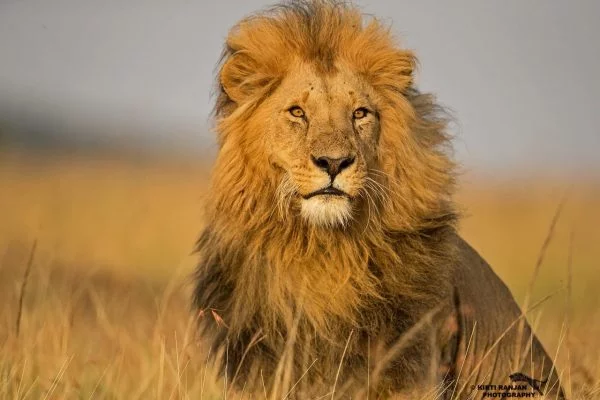
Planning an African safari isn’t just about choosing a destination—it’s about choosing the perfect moment. The best time to embark on Africa Wildlife Safaris depends on natural cycles involving rainfall, temperature, vegetation, and the movement of iconic wildlife. While Africa welcomes travelers all year long, knowing the seasonal differences between East Africa and Southern Africa will elevate your safari experience and help you witness wildlife at its most spectacular.
The Dry Season: Peak Time for Classic Game Viewing
For traditional game drives, the dry season is widely regarded as the ideal time to travel. In Kenya, Tanzania, Botswana, South Africa, and Zambia, this season usually runs from June to October.
With minimal rainfall, vegetation thins out dramatically. This makes spotting animals far easier as they gather around the limited water sources like rivers and waterholes. It’s also the best period to witness thrilling predator-prey interactions. Southern Africa also enjoys mild and pleasant temperatures during this time, perfect for morning and evening game drives.
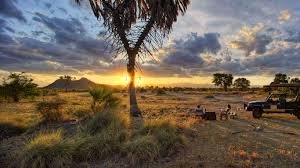
Spotlight on East Africa: The Great Wildebeest Migration
If witnessing the legendary Great Migration is your dream, your timing becomes even more crucial—especially for travelers booking Kenya Holiday Safaris.
- Kenya (July to October):
This is the prime season when over 1.5 million wildebeest and zebras make their dramatic river crossings into the Maasai Mara. During these months, Kenya Holiday Safaris put you right at the center of this once-in-a-lifetime wildlife spectacle. - January & February:
These short dry months also offer excellent game viewing, warm weather, and high predator activity, making them an ideal alternative for travelers seeking fewer crowds.
The Green Season: Lush Landscapes, New Life, and Incredible Value
The Green Season, running roughly from November to May, often gets overlooked—but it offers a different kind of magic.
Short, heavy bursts of rain turn the plains into breathtaking green landscapes, perfect for photography. This is also birthing season across many African regions, giving visitors the chance to see newborn wildlife taking its first steps—a truly enchanting experience.
If your itinerary includes Rwanda—such as in the Wilderness and White Water Safari—the main dry seasons (June–September and December–February) remain the best for gorilla trekking. Trails are less slippery, and the trekking conditions are more comfortable. However, the wet shoulder months provide advantages too, including lower permit prices and easier gorilla sightings as they move to lower altitudes.
Choosing the Right Time for Your Safari Adventure
The perfect time to travel depends entirely on what you want to experience:
- Dry Season: Best for intense wildlife sightings, the Great Migration, and classic safari experiences.
- Green Season: Ideal for budget-friendly travel, lush scenery, newborn animals, and fewer crowds.
No matter the month, Safari Seekers can curate the perfect itinerary, ensuring your Africa Wildlife Safaris or Kenya Holiday Safaris are tailored to your travel goals and dreams.
Start Planning Your Adventure Today
Let us help you discover Africa at its best—whether you’re chasing the thunder of hooves across the Mara or the serene beauty of a misty rainforest.
Contact Safari Seekers:
📧 Email: tours@safariseekersafrica.com
📞 Phone: 254 707 969 268