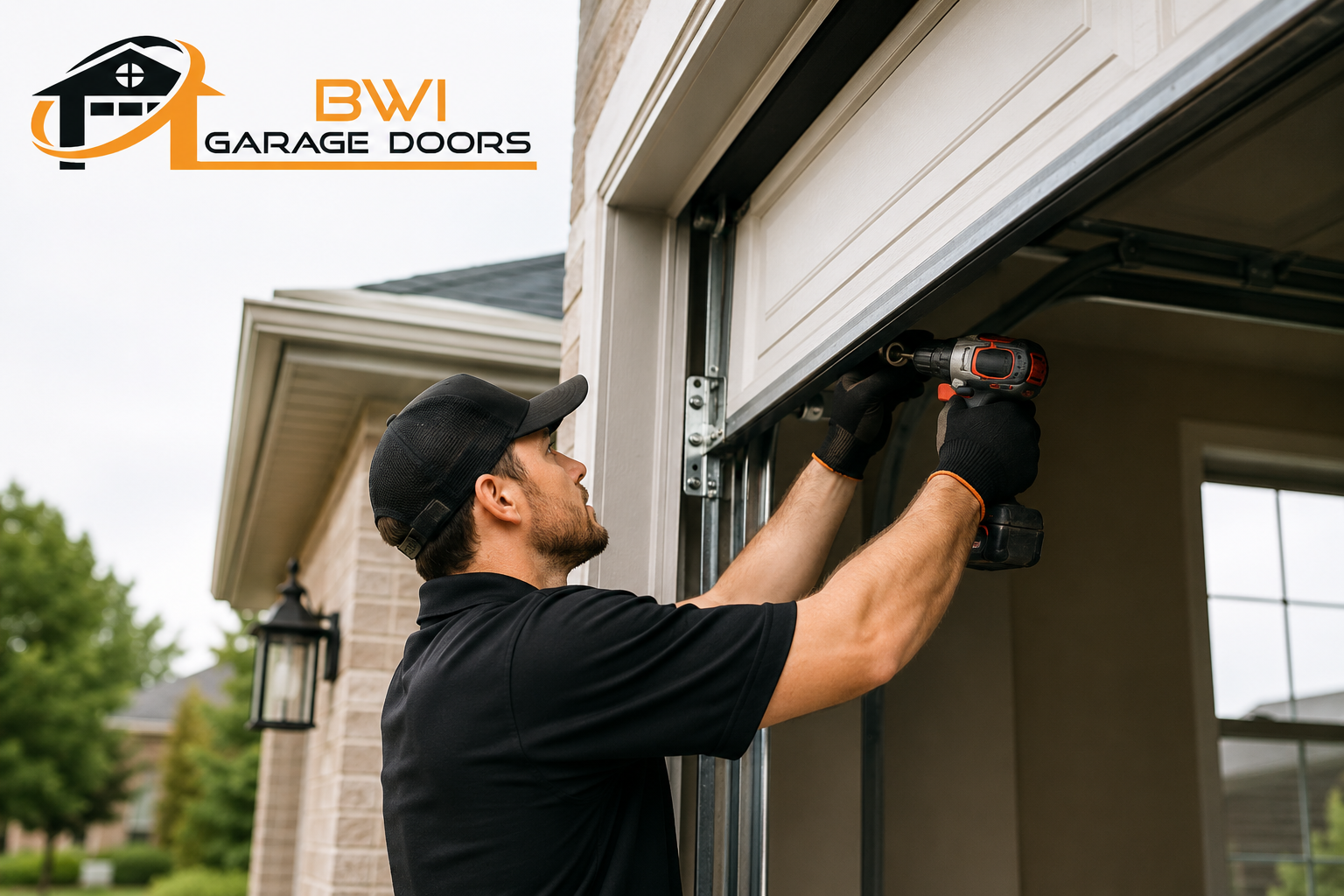

Freezing temperatures often create unexpected challenges for garage doors. Many homeowners in District Heights search for Garage Door repair District Heights when they notice slow operation, unusual noises, or doors that won’t open at all.
These problems are typically caused by cold weather affecting key components of the system. Understanding these issues can help prevent damage and reduce repair costs.
Frozen Garage Door Seals
A frozen bottom seal is one of the most common winter problems. Moisture from rain, snow, or ice can collect beneath the door and freeze overnight, causing the seal to stick to the ground.
Forcing the door open can damage the opener and strain springs or cables, often leading to costly Garage Door repair District Heights services. Instead, use warm water or safe de-icing methods to release the seal.
Prevention Tips
- Keep snow and ice away from the garage entrance
- Dry excess moisture near the bottom seal
- Apply silicone lubricant to prevent sticking
- Inspect the seal regularly for wear
Thickened Lubrication Slows Movement
Cold temperatures can cause lubricants to thicken, making it difficult for garage door components to move smoothly. This is another common reason homeowners require Garage Door repair District Heights.
Signs include:
- Slow movement
- Grinding or squeaking noises
- Jerky operation
- Increased strain on the opener
Using a winter-grade lubricant helps maintain smooth operation and extends the life of the system.
Metal Components Contract in Cold Temperatures
Garage doors rely on metal components such as springs, tracks, rollers, and cables. In cold weather, these parts contract, which can lead to alignment issues and imbalance.
This can result in:
- Uneven movement
- Misaligned tracks
- Increased tension on springs
- Sudden breakdowns
Older systems are more vulnerable, making regular inspections from professionals like BWI Garage Doors essential.
Garage Door Opener Problems
Cold weather can also affect the performance of garage door openers. Low temperatures may reduce motor efficiency and impact electrical components.
In some cases, the opener may stop working, reverse unexpectedly, or fail to respond. Safety sensors may also prevent operation if resistance from ice or debris is detected.
Persistent issues often require expert Garage Door repair District Heights services to diagnose and resolve the problem.
Ice and Debris in the Tracks
Garage door tracks must remain clean and clear for proper function. During winter, moisture can freeze inside the tracks, blocking rollers and disrupting movement.
This may cause:
- Uneven door operation
- Loud grinding noises
- Rollers slipping off track
- Complete door failure
Routine cleaning can help avoid frequent Garage Door repair District Heights needs.
Weather Stripping Damage
Cold temperatures can make weather stripping brittle and cracked over time. Damaged stripping allows cold air and moisture to enter the garage, increasing the risk of freezing issues.
Replacing worn weather stripping improves insulation and reduces the likelihood of requiring Garage Door repair District Heights services.
Importance of Seasonal Maintenance
Routine maintenance is one of the best ways to prevent winter garage door problems. Professional inspections by BWI Garage Doors can identify worn components before they fail in cold conditions.
Maintenance services typically include:
- Lubrication of moving parts
- Spring adjustments
- Track alignment
- Opener testing
Addressing minor issues early helps homeowners avoid costly repairs and unexpected breakdowns.
Final Thoughts
Cold weather can significantly impact garage door performance, from frozen seals and thickened lubrication to opener malfunctions and metal contraction. Ignoring these issues can lead to serious damage and safety risks.
Regular inspections, proper maintenance, and professional Garage Door repair District Heights services from BWI Garage Doors ensure your garage door operates smoothly and reliably throughout the winter season.